"All happy families are alike; each unhappy family is unhappy in its own way."
Return to Home

Russian Classics

The titans of Russian literature: works of psychological depth, moral complexity, and enduring humanity.

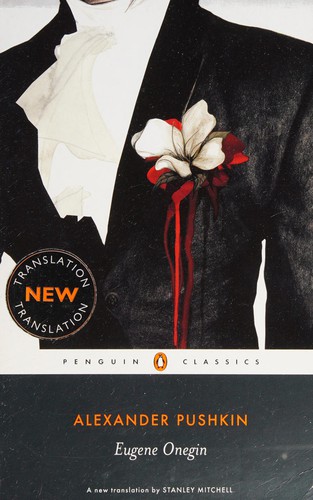
Eugene Onegin

Eugene Onegin

Alexander Pushkin

A bored Petersburg dandy rejects a country girl's love, only to fall desperately for her years later when it is too late. Pushkin's verse novel set the pattern for the great Russian theme: the destruction wrought by wasted feeling.

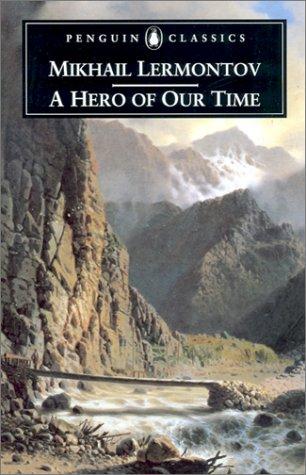
A Hero of Our Time

A Hero of Our Time

Mikhail Lermontov

A charismatic, cynical Russian officer leaves a trail of broken lives across the Caucasus. Lermontov's fragmented portrait of Pechorin created the archetype of the superfluous man — brilliant, restless, and incapable of happiness.

Dead Souls

Dead Souls

Nikolai Gogol

A smooth-talking schemer travels the Russian provinces buying up the ownership rights of dead serfs for a fraudulent scheme. Gogol's comic masterpiece is a road trip through the absurdity, corruption, and strange beauty of Russian life.

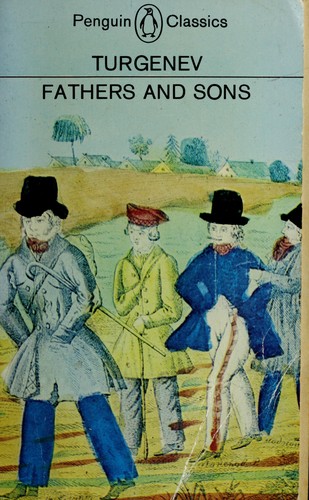
Fathers and Sons

Fathers and Sons

Ivan Turgenev

A young nihilist returns to the Russian countryside and clashes with his father's generation over everything — art, science, love, and the meaning of progress. Turgenev coined the term nihilism and gave it its most compelling spokesman.

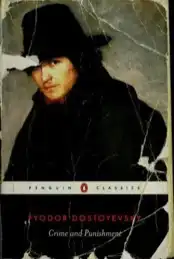
Crime and Punishment

Crime and Punishment

Fyodor Dostoyevsky
A destitute student commits murder, convinced his intellect places him above moral law. What follows is a suffocating psychological unravelling as guilt and paranoia consume him. Dostoyevsky's masterwork on conscience, redemption, and the cost of ideology.

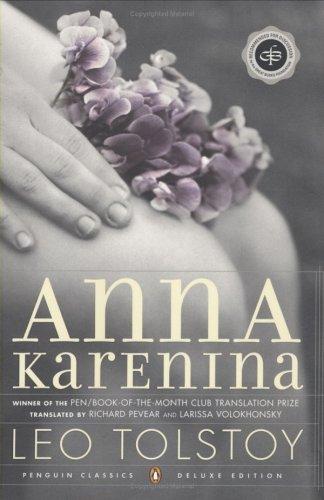
Anna Karenina

Anna Karenina

Leo Tolstoy

A married aristocrat's passionate affair with a dashing officer leads her into social exile and psychological torment, while a landowner searches for meaning in work and family. Tolstoy orchestrates private lives into the most complete portrait of a society ever written.

The Cherry Orchard

The Cherry Orchard

Anton Chekhov

An aristocratic family returns to their country estate knowing it must be sold to pay debts, yet none of them can act to save it. Chekhov's final play captures the comedy and tragedy of people who cannot change even when their world already has.

Mother

Mother

Maxim Gorky

A factory widow is radicalised by her son's involvement in the revolutionary movement and discovers a courage she never knew she possessed. Gorky's novel became a foundational text of socialist literature and a portrait of political awakening.

"The soul is healed by being with children."