"You are what you do, not what you say you'll do."
Return to Home

Post-War to Late 20th Century

The literature of the Cold War era and beyond: from existential exploration to postmodern experimentation.

Lolita

Lolita

Vladimir Nabokov

A European émigré's obsessive, criminal desire for a twelve-year-old girl is rendered in the most dazzling English prose of the twentieth century. Nabokov forces the reader to confront beauty and monstrosity in the same sentence.

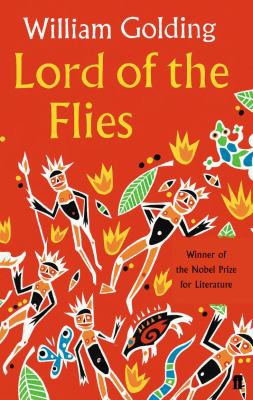
Lord of the Flies

Lord of the Flies

William Golding

A group of schoolboys stranded on a desert island quickly descend from order to savagery. Golding strips away civilisation's comforts to expose what remains — and it is not reassuring.

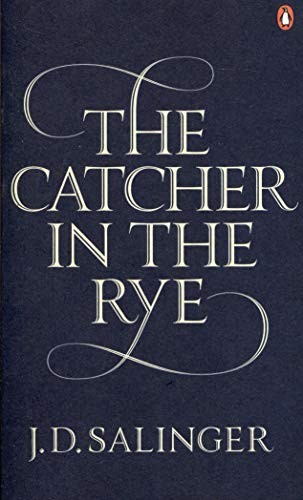
The Catcher in the Rye

The Catcher in the Rye

J.D. Salinger

A seventeen-year-old wanders New York after being expelled from school, railing against the phoniness of the adult world. Salinger gave adolescent disillusionment its definitive voice.

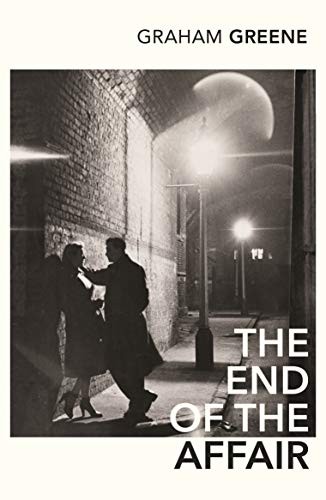
The End of the Affair

The End of the Affair

Graham Greene

In wartime London, a novelist discovers that his former lover ended their affair not for another man but because of a promise to God. Greene turns a jealousy plot into a fierce, reluctant argument about faith.

A Clockwork Orange

A Clockwork Orange

Anthony Burgess

A teenage delinquent speaks in a dazzling invented slang as he commits horrific violence, then is subjected to a state cure that raises questions worse than the disease. Burgess asks whether goodness means anything if it isn't chosen.

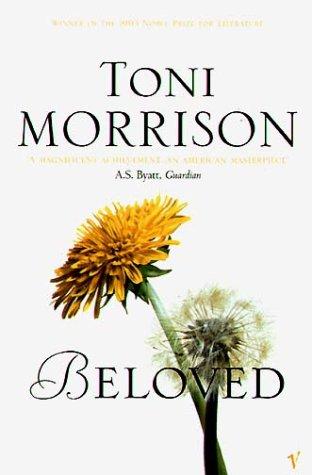
Beloved

Beloved

Toni Morrison

A formerly enslaved woman is haunted — perhaps literally — by the child she killed rather than let be taken back into slavery. Morrison's prose renders the legacy of American slavery as ghost story, elegy, and act of reclamation.

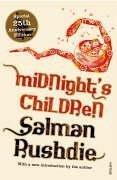
Midnight's Children

Midnight's Children

Salman Rushdie

A man born at the exact moment of Indian independence discovers he shares telepathic powers with every other child born in that midnight hour. Rushdie's exuberant, sprawling novel reimagines a nation's history as a family saga told at a sprint.

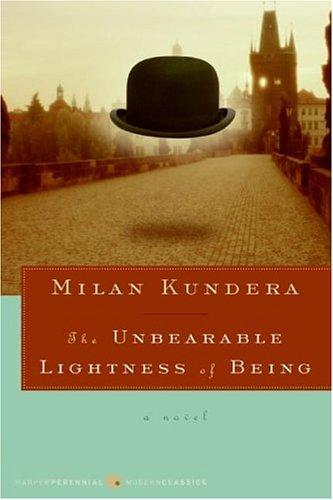
The Unbearable Lightness of Being

The Unbearable Lightness of Being

Milan Kundera
Two couples navigate love, sex, and political commitment in the shadow of the Soviet invasion of Prague. Kundera interweaves philosophy and fiction to ask whether our lives carry weight or are terrifyingly free of it.

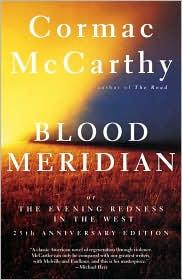
Blood Meridian

Blood Meridian

Cormac McCarthy

A teenage runaway joins a scalp-hunting gang on the Texas–Mexico border in the 1850s, led by the monstrous, erudite Judge Holden. McCarthy's language is biblical in its violence and grandeur.

Rabbit, Run

Rabbit, Run

John Updike

A former high-school basketball star, trapped by marriage and small-town life, simply starts running — away from responsibility, toward something he can never name. Updike's restless, lyrical prose captures the suffocation of unfulfilled American promise.

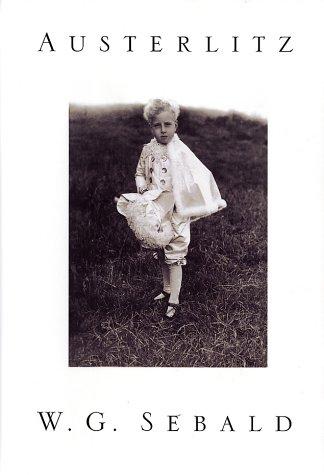
Austerlitz

Austerlitz

W.G. Sebald

A man raised in Wales slowly uncovers his true identity as a Jewish child sent from Prague on the Kindertransport. Sebald's hypnotic, discursive prose — woven with photographs — turns personal history into a meditation on memory and loss.

"There is no terror in the bang, only in the anticipation of it."